Why Luchadores Wear Masks (and Almost Never Take Them Off)
Why luchadores wear masks, what a mask bet actually costs the loser, and real mask prices from a working luchador.
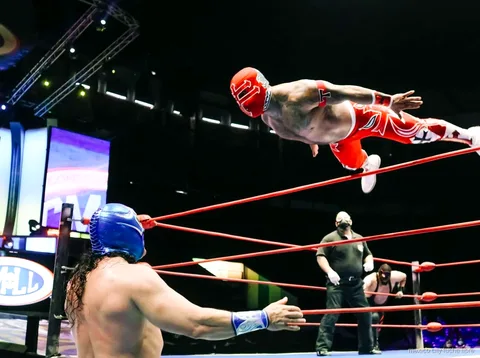
Luchadores wear masks to become a character, not just to hide their face. The mask carries the wrestler's whole public identity, so losing one in a mask bet, or lucha de apuestas, can end a career.
 Arena Mexico Lucha Libre Ticket with Guide and Mask From $48.02 · Simplest way to see a show See dates
On this page 8 sections
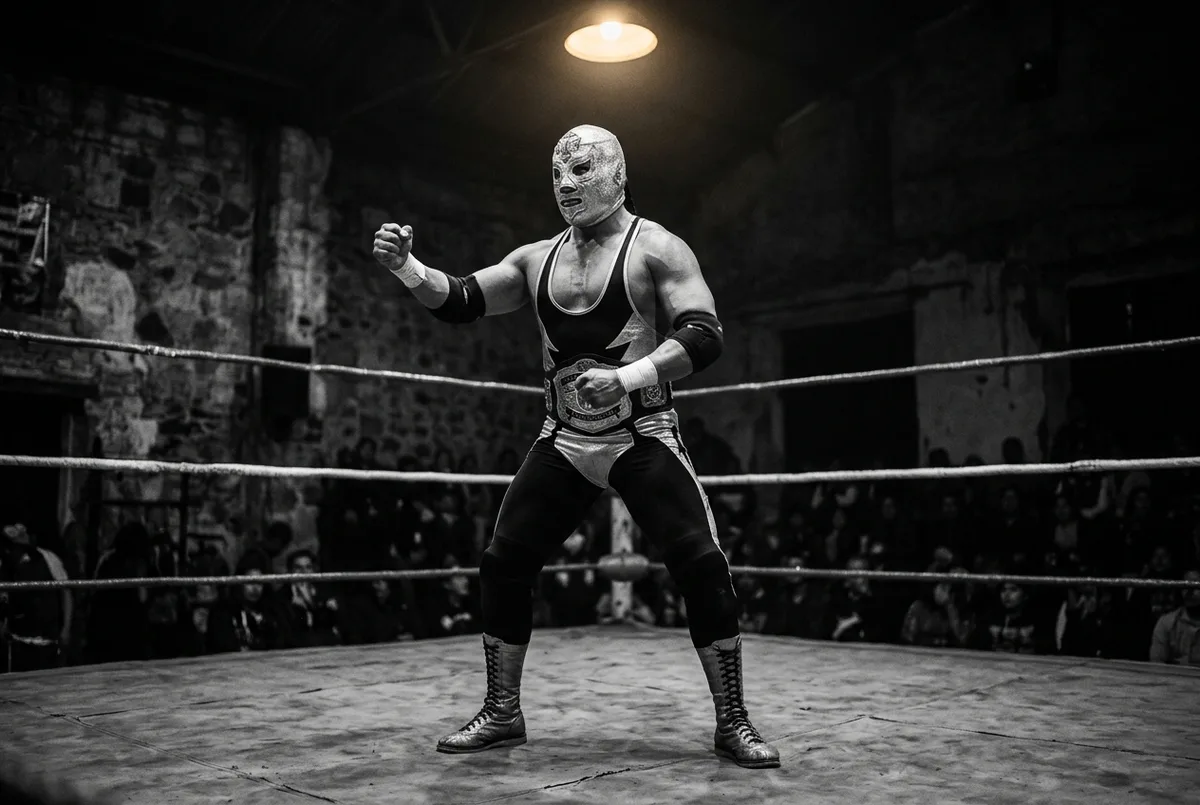
Luchadores wear masks because a mask turns a wrestler into a character the crowd can love or hate — it’s not just hiding a face. It becomes the fighter’s entire public identity, and that’s exactly why losing one is such a huge deal in Mexican wrestling.
The mask tradition in numbers
Source:UNESCO ICM and MediotiempoWhy do luchadores wear masks?
The mask hides who’s underneath, sure, but more than that it builds a symbol the crowd can grab onto. Mexico’s own Ministry of Culture puts it well: masks don’t just disguise one’s identity, they represent an enigma, a symbol — a warrior fights inside the mask, and that warrior gets cemented in the public’s imagination.
Not a costume prop you’d grab at a theme park gift shop. A cultural tradition.
“masks don't just disguise one's identity, they represent an enigma, a symbol”
Ministry of Culture of the Government of Mexico, 2023 · source
Why can’t luchadores take their mask off?
No written rule stops them. But the mask is treated as close to sacred, honestly. Removing an opponent’s mask by force is grounds for disqualification, and a wrestler’s entire career identity lives inside that fabric. Take it off voluntarily outside a formal mask bet and you’ve broken an unwritten code the whole sport runs on.
What happens if you unmask a luchador?
Two wrestlers stake their masks on a single match — a lucha de apuestas, mask bet. The first recorded one happened at Arena Mexico on July 14, 1940, champion Murcielago Velazquez against challenger Octavio Gaona. The loser has to give up his real name, his hometown, how many years he’s been in the sport, all before the mask finally comes off. For good.
Picture the crowd at Arena Mexico going dead quiet as a mask bet hits its final fall. Then the roar once the loser gets walked to the mic and says his real name out loud, in public, for the first time anyone’s heard it. That moment hits hard precisely because the mask was never a prop. It was the only identity most fans ever knew that man by.
Why is it disrespectful to unmask a luchador?
Losing a mask can end a career built entirely around that one identity — which is exactly why an unmasking gets treated as a real, witnessed event, not some stunt. Mexico City’s own government lists lucha libre, masks included, as intangible cultural heritage. A UNAM academic has even pushed to build the case for that heritage status before UNESCO, as reported by the university’s own gazette.
Which luchador never took off his mask?
El Santo, hands down. Decades in public with the mask never off, and he removed it on national television only about a week before his death — the one and only time his face was ever seen publicly. More on him and the other legends over on the most famous luchadores in Mexico.
How much do lucha libre masks cost?
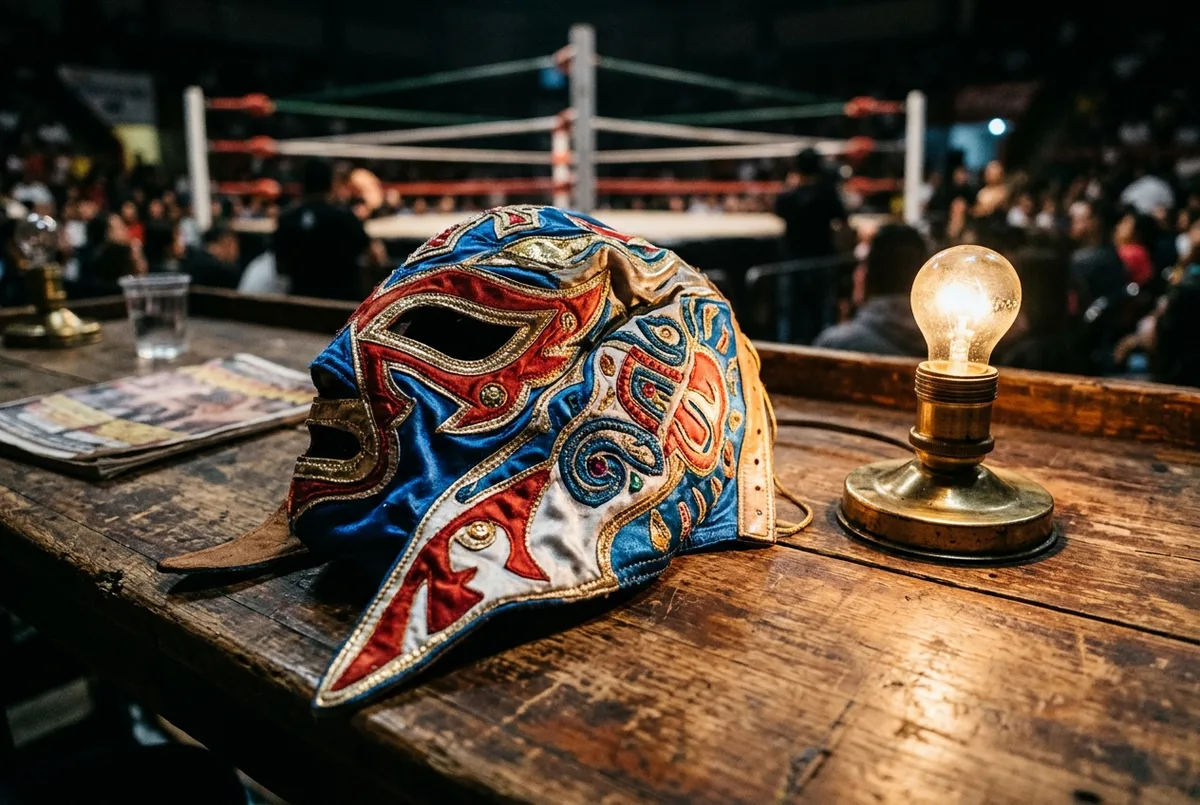
Depends a lot on quality. A luchador named Epydemius, quoted by a Mexican sports outlet, sells a ring-worn professional mask for about 3,000 pesos, roughly $250, and a semi-professional one for about 1,200 pesos, around $60. The simpler children’s masks, like the ones sold outside Arena Coliseo, go for around 100 pesos.
| Mask grade | Typical price |
|---|---|
| Children’s mask | ~100 pesos |
| Semi-professional | |
| Professional, ring-worn |
That’s one seller’s range, not any kind of official price list. A mask tied to a famous name or a famous match? Sells for a lot more than that.
Can non-Mexicans be luchadores?
Yes, the style travels easily. Mil Mascaras, a Mexican star, worked regularly in Japan, and American wrestler The Destroyer became one of the first masked wrestlers there in the 1960s. The mask goes with the performer. Nationality’s beside the point.
Want a mask as a keepsake without hunting one down separately? The Arena Mexico lucha libre ticket includes a traditional wrestling mask with admission and a guide.
Questions
Is it racist to wear a luchador mask?
Nothing I found addresses this directly, so tread carefully. A lucha libre mask represents one specific performer’s identity plus a Mexican cultural tradition — that’s a different thing from a generic ethnic costume — and buying one as a souvenir is normal at shows and markets alike.
Can anyone buy a real lucha libre mask?
Yes. Sold openly outside arenas, and by working luchadores themselves. Price depends on the quality and detail of the stitching.
Do luchadores sleep in their masks?
Nothing I found backs that specific claim up, so call it folklore rather than fact. What is documented: many luchadores wear the mask at every public appearance, not just inside the ring.
What is a mask vs hair match?
A variation on the mask bet. One wrestler stakes the mask, the other stakes his hair instead, and the loser walks away either unmasked or shaved, publicly.